

And Honestly… Ahead of Its Time
Someone once told me ancient cultures were prudish. Buttoned-up. Afraid of pleasure. I believed that for about twelve seconds, right up until I actually read Irish mythology.
Because here’s the thing nobody warns you about. Ancient Ireland was not shy. Not coy. Not subtle.
It was horny in a calm, confident, deeply unbothered way. The kind of energy that says, “Yes, bodies exist. Yes, desire exists. Let’s keep moving.”
And before anyone panics, no, this isn’t graphic. It’s just honest. Which is exactly how the Irish handled it.
If you read our last piece on horny Irish folklore that absolutely would’ve needed condoms, consider this the prequel. The cultural context episode. The “ohhh that’s why everyone was acting like that” chapter.
The Big Reveal Nobody Mentions in History Class
Ancient Irish society did not treat sex as a moral failing. It wasn’t dirty. It wasn’t hidden. It also wasn’t everyone’s entire personality. It simply existed, right alongside farming, fighting, storytelling, and arguing about cattle.
Sex was tied to fertility, yes. But also to power, identity, and social standing. Relationships were complex. Monogamy existed, but so did concubines, trial marriages, and arrangements that would absolutely break modern Facebook comment sections.
And somehow, the world did not end.
Wild.
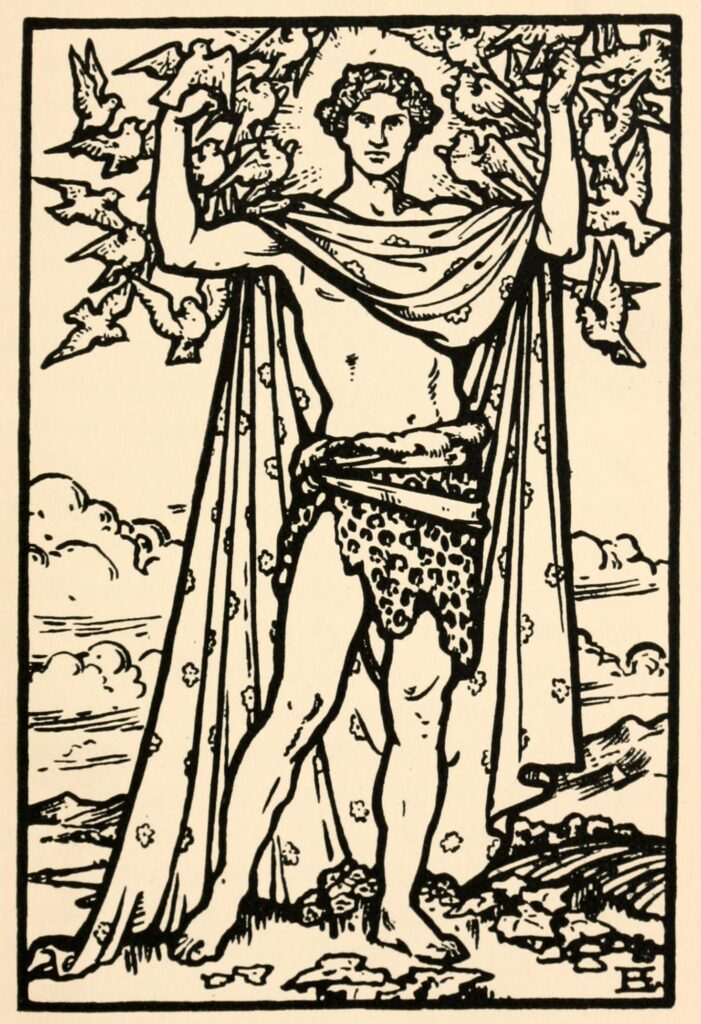
Aengus Óg and the Swan Girl Who Didn’t Get Shamed
Take Aengus Óg, god of love, youth, and poetic longing. Not the Hallmark kind of love. The obsessive, dream-haunted, can’t-eat-can’t-sleep variety.
Aengus dreams of a woman so beautiful it physically wrecks him. Stops eating. Stops functioning. Full ancient meltdown. Turns out she’s Caer Ibormeith, a woman who transforms into a swan every other year.
Naturally.
So what does Aengus do? He doesn’t shame himself. He doesn’t suppress it. He doesn’t get a lecture about “impure thoughts.” He finds her. He transforms too. They fly together. They sing together. They choose each other.
Is it romantic? Absolutely. Is it sexual? Obviously. Is anyone punished for wanting someone? Not even a little.
Ancient Ireland looked at desire and said, “That tracks.”
No One Was Pretending Sex Didn’t Exist
Legal texts from early Ireland, the Brehon Laws, openly discussed sexual relationships. They categorized partners. They outlined rights. They acknowledged that people slept together outside marriage and then calmly dealt with the logistics.
Children were not considered shameful accidents. Women had legal standing. Divorce was allowed. Property was divided. It was practical.
Not perfect. But practical.
You can almost hear an ancient Irish judge squinting at the 21st century and asking, “So you know it happens… but you refuse to plan for it?”
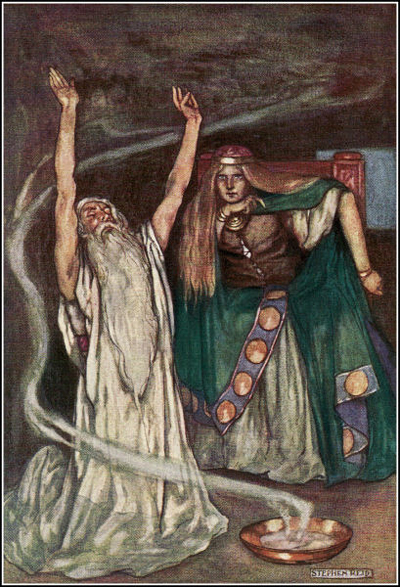
Queen Medb: Power, Pleasure, and Zero Apologies
Let’s talk about Queen Medb again, because she deserves it.
Medb did not collect lovers out of recklessness. She did it intentionally. Sex was leverage. Sex was pleasure. Sex was part of her authority. And no narrator swoops in to punish her for it.
Instead, the stories say, basically, “Yes. This woman knew exactly what she was doing.”
In a culture where female desire wasn’t erased, sex positivity wasn’t a slogan. It was baked in. Women could initiate. Refuse. Choose again. The sky stayed put.
And if we’re being honest, Medb would absolutely be the type to buy condoms in bulk today. Not because sex is dangerous, but because she understood preparation.
Fertility Did Not Mean Chaos, Even If the Myths Get Messy
The myths themselves? Unhinged. Delightfully so.
Gods hooking up. Shape-shifting. Surprise pregnancies. Prophecies popping out of nowhere. You can read more of that chaos in last week’s post, which you should absolutely link right here.
But culturally, those stories weren’t warnings against sex. They were reminders of its power. Sex could create heroes. Or problems. Sometimes both.
Ancient Ireland respected sex too much to pretend it had no consequences.
They didn’t have condoms. We do.
That’s not a contradiction. That’s progress.
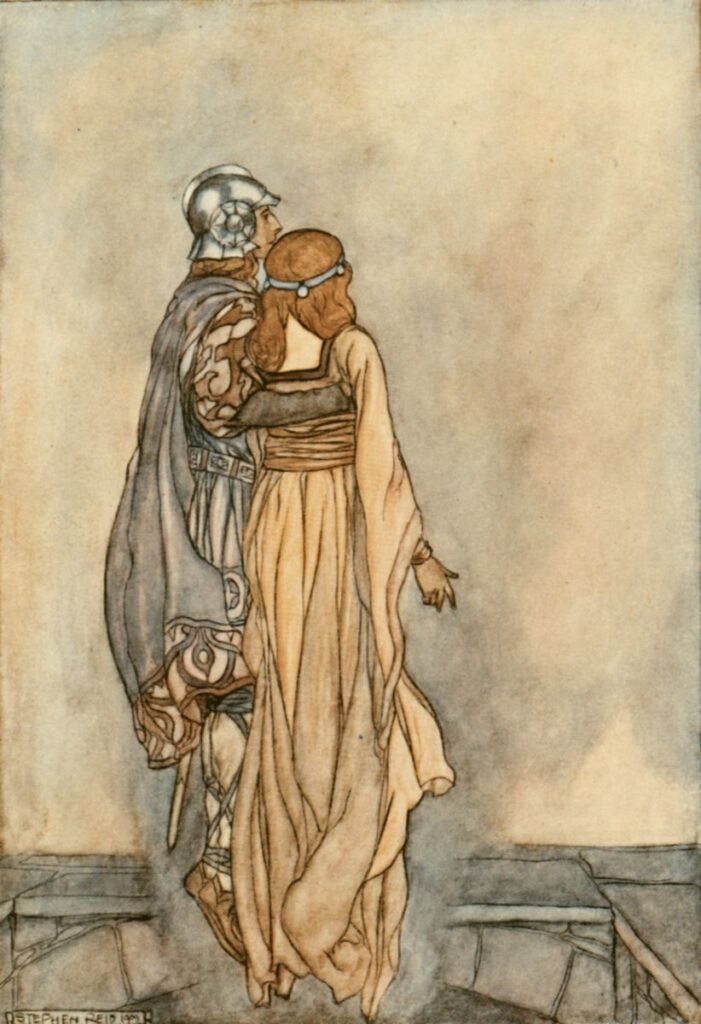
Étaín and the Reality of Being Desired
Meet Étaín, one of the most desired women in Irish myth. Loved by gods. Reincarnated multiple times. Constantly pursued.
Her story includes jealousy, transformation, loss, reunion. Sex is present, but not cheapened. It’s emotional. It’s complicated. It matters.
Nobody tells Étaín she’s wrong for being desired. Nobody frames her body as a moral hazard. The tension comes from power struggles, not purity.
That distinction is huge.
Ancient Ireland Would’ve Loved Modern Options
If you dropped a modern sexual wellness aisle into early Ireland, here’s what wouldn’t happen: no outrage. No fainting. No dramatic speeches.
What would happen is questions.
- “What’s the difference between these?”
- “Which one lasts longer?”
- “Does this come in a larger size?”
And then someone would grab a condom variety pack, compare options, and move on with their life.
Lubricants would be practical. Non-latex condoms would be appreciated. Discreet shipping would just be a bonus, not a necessity.
Modern advantage? You can buy condoms online with plain-box shipping and keep your business your business.
So Why Does This Matter in 2026?
Because we still act like sex positivity is radical when, historically, it isn’t. It’s ancient.
Irish culture understood something we keep relearning. Pleasure doesn’t disappear when you shame it. It just gets messier.
Protection isn’t anti-romance. It’s pro-future.
If you’re celebrating St. Patrick’s Day, going out, flirting, making questionable playlist choices, maybe reenacting a tiny bit of mythic chaos, here’s the modern wisdom ancient Ireland would absolutely cosign:
Plan ahead. Buy condoms. Have fun without turning your life into an epic saga.
The gods didn’t have options.
You do.
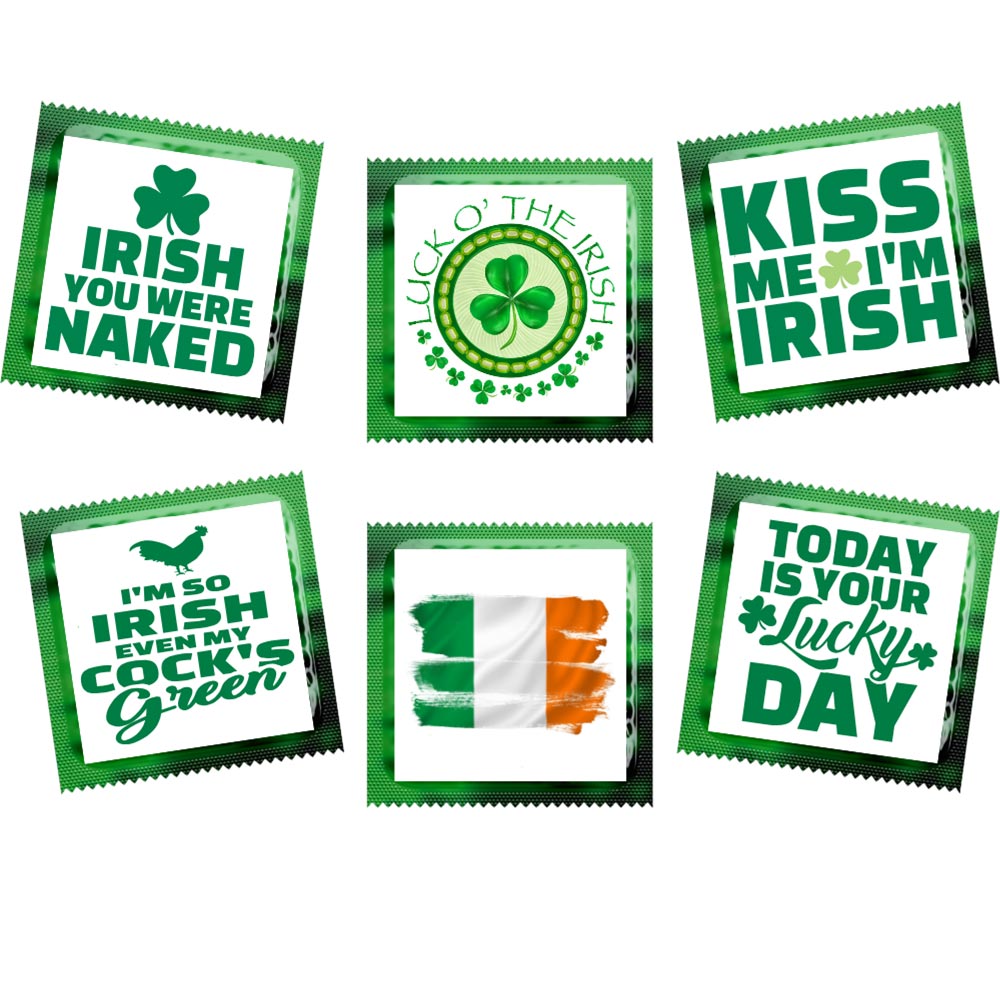
St. Patty’s Day Condoms
St Patrick’s Day Holiday Condoms | St Patty’s Day Original Condoms