
Back to School Blues: Why Your Kid’s Sex Ed Class Might Feel Like a Plot Twist from Mean Girls vs. a Sex Education Masterclass
Ah, back to school season—the time when parents dust off the lunchbox Tupperware, kids pretend to care about algebra, and everyone collectively forgets that September also means the talk. You know, the talk. The one about birds, bees, consent, and why Aunt Flo shows up uninvited like that one relative at Thanksgiving. But here’s the kicker: whether your little Darwin-in-training gets the birds-and-bees lowdown in a public school gymnasium or a private academy’s cozy library could make all the difference between a kid who thinks “protection” means a raincoat and one who’s basically ready to host their own TED Talk on safe sex.
As a parent who’s survived more awkward parent-teacher conferences than I care to admit, I’ve done the homework (pun very much intended). Public vs. private sex ed? It’s like comparing a drive-thru Happy Meal to a Michelin-starred tasting menu. One leaves you satisfied but questioning your life choices; the other is gourmet, but good luck affording it. Let’s break it down with a dash of humor, because if we’re talking about puberty, we might as well laugh before we cry. Spoiler: the disparities are real, and they’re hilariously lopsided.
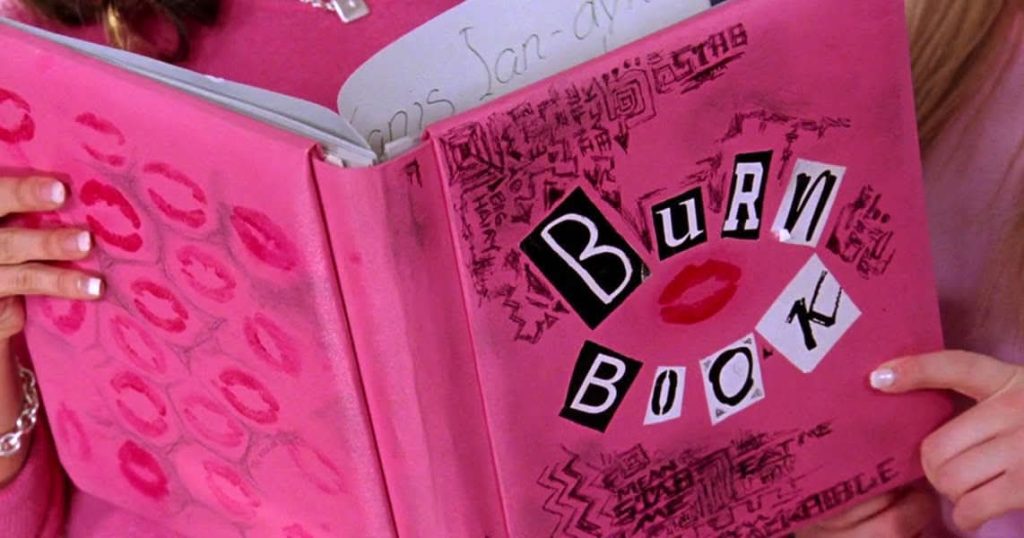
Public Schools: Where Abstinence-Only Feels Like a Mean Girls Burn Book
Picture this: It’s freshman year in your average public high school. The gym smells like old sweat socks and regret. Your gym teacher—let’s call him Coach Gruff, who looks like he hasn’t smiled since the ’80s—wheels in a rickety AV cart with a VHS tape that’s seen more action than most of the students. The title? “Wait Until Marriage: Because Teen Pregnancy is So Last Season.” Cue the crickets and the kid in the back row whispering, “Is this the same guy who teaches dodgeball?”
Public school sex ed is often a masterclass in minimalism, courtesy of federal funding strings and local politics. In many U.S. states (looking at you, Texas and Florida), abstinence-only education reigns supreme. It’s like the government’s way of saying, “Just don’t do it, kids. Pretend genitals don’t exist.” According to the Guttmacher Institute, only about 30% of public schools offer comprehensive sex education that covers contraception, STIs, and relationships beyond “no means no—wait, actually, everything means no.” The rest? It’s a whirlwind tour of fear-mongering diagrams that make STDs look like alien invasions from a bad sci-fi flick.
Humor aside, the disparities hit hard. Low-income districts, where public schools serve the most diverse populations, often skimp on updates. Imagine learning about HIV from a poster that’s yellowed like your grandma’s curtains. Inclusivity? Spotty at best. LGBTQ+ topics might get a footnote, if you’re lucky, squeezed in between “don’t smoke” and “recycle.” And consent? It’s there, but delivered with the enthusiasm of a root canal. No wonder kids graduate thinking “hook-up culture” is just what happens at college parties—because no one told them otherwise.
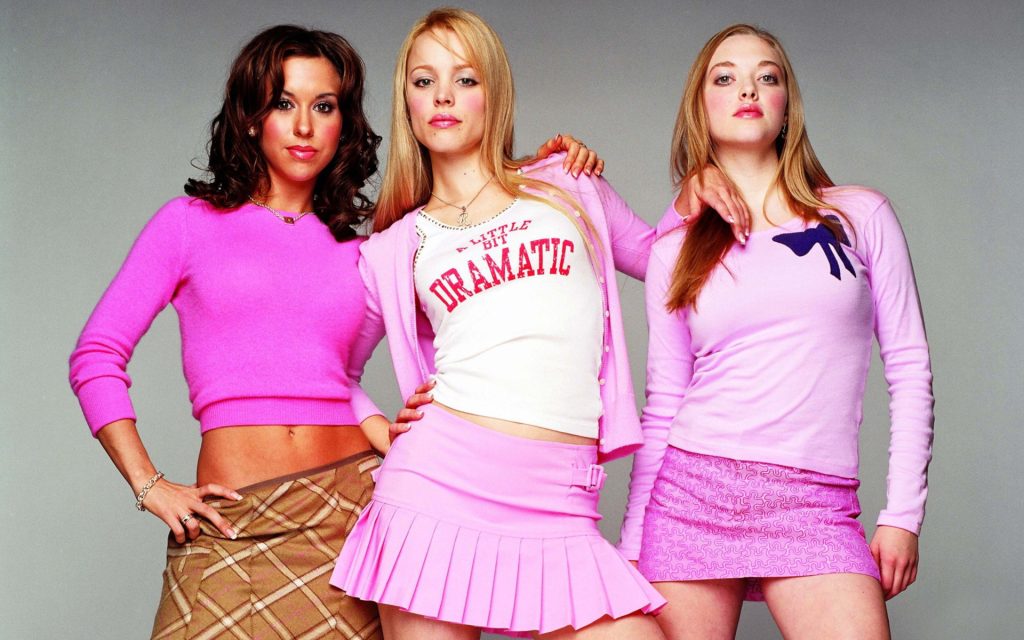
But let’s inject some levity: Remember that scene in Mean Girls where Coach Carr hits on a student while fumbling through a banana-condom demo? That’s public sex ed in a nutshell. Except in real life, the banana’s probably bruised, and half the class is live-tweeting the cringe under #WorstClassEver. It’s not that teachers don’t care; it’s that they’re handcuffed by budgets and bureaucracy. One study from the Journal of Adolescent Health found that public school programs reduce risky behaviors by just 10-15%—barely enough to dent the teen pregnancy stats that hover around 18 per 1,000 girls aged 15-19 (per CDC data).
Private Schools: The Sex Education Glow-Up You Wish You Had
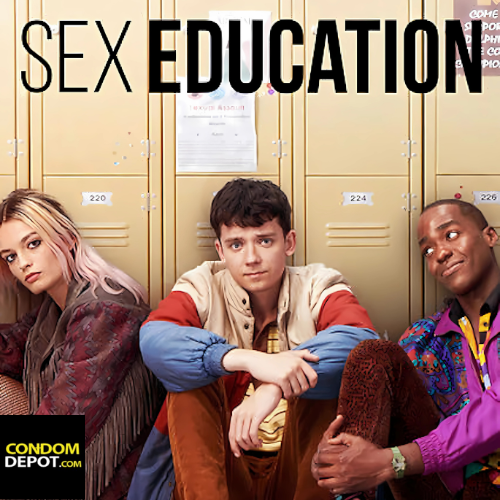
Now, flip the script to Private Prep Academy, where tuition rivals a down payment on a car, and the sex ed class feels like a Netflix binge-watch come to life. Think Sex Education on the UK’s Moordale Secondary—progressive, plot-twisty, and unapologetically thorough. In these ivory towers (or at least, well-funded brick ones), sex ed isn’t an afterthought; it’s a curriculum cornerstone, often starting as early as middle school with age-appropriate chats about bodies, boundaries, and yes, even pleasure (whisper it).
Private schools, especially non-religious ones, boast comprehensive programs that make public ones look like they’re stuck in the dial-up era. We’re talking interactive apps, guest speakers from Planned Parenthood, and workshops on everything from digital consent (because revenge porn isn’t just a plot device in Euphoria) to gender fluidity. A report from the National Conference of State Legislatures shows that private institutions have way more leeway—no pesky state mandates cramping their style. Result? 70-80% of private school students get the full monty: contraception demos with actual models (not just sketches), STI testing info, and relationship skills that include “how to say no without sounding like a prude.”
The disparities scream privilege here. Affluent families shell out $20K+ a year for this enlightenment, meaning kids from wealthier ZIP codes are light-years ahead in navigating adulthood’s minefield. Humorously, it’s like private schoolers get the Sex Education soundtrack—Otis Milburn’s awkward-but-empowering vibes—while public kids are remixing Mean Girls fetch lines into fumbled flirtations. And let’s not forget the optics: Private sex ed might even touch on mental health tie-ins, like how porn addiction is as real as Regina George’s mean streak.
But private isn’t all rainbows and rubber chickens. Religious privates (think Catholic or evangelical) can swing conservative, preaching purity rings over prophylactics. Still, even they often outpace publics with better resources—like on-site counselors who don’t double as janitors.
Bridging the Gap: Condoms, Culture, and a Call for Common Sense
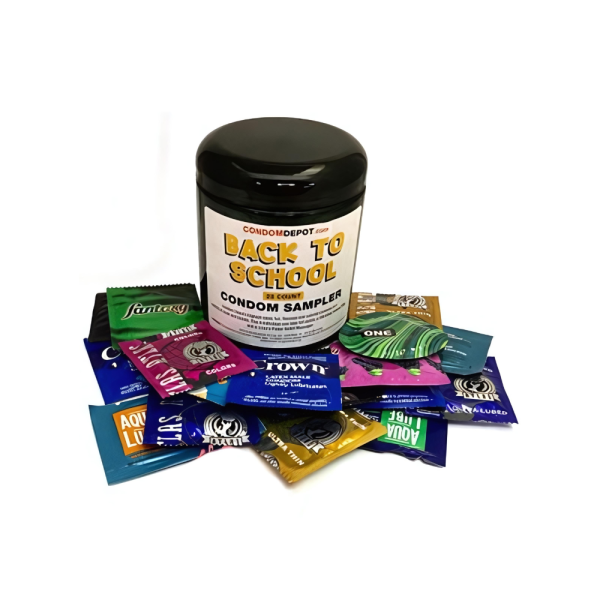
So, what’s a parent to do in this bifurcated birds-and-bees battlefield? First, stock up on that “Back to School Condom Sampler”—yes, it’s a real thing, a cheeky kit from brands like Lucky Bloke that packs assorted sizes, flavors, and styles into a pencil-case-sized pouch. Marketed as “safer than a participation trophy,” it’s the ultimate icebreaker for home chats. Slip one in your kid’s backpack with a note: “For math tests? Nah. For life hacks? Absolutely.” It’s humorous, practical, and levels the playing field—because no one should graduate high school thinking Trojan is just a horse from mythology.
Pop culture’s got our back too. Shows like Sex Education (streaming on Netflix, because why not plug the teacher?) normalize the weirdness, showing diverse teens tackling taboos with wit and zero judgment. Meanwhile, Mean Girls reminds us that high school hierarchies amplify ignorance—public or private. Use these as teachable moments: “See how Janis calls out the Plastics? That’s consent in action.”
The real disparity? Equity. Public schools educate 90% of U.S. kids, yet they’re underfunded by $23 billion annually (per EdBuild). Private perks mean only the elite get the glow-up, perpetuating cycles where low-income youth face higher STI rates (twice that of affluent peers, per NIH). It’s not funny—it’s a systemic fail. Solution? Push for policy tweaks: Mandate comprehensive curricula nationwide, like California’s gold standard, which covers all bases without the abstinence asterisk.
Wrapping It Up: Let’s Make Sex Ed Less Awkward Family Photos, More Empowerment Hour
In the end, whether your school’s sex ed is a public punchline or a private TEDx, the goal’s the same: Equip kids to thrive, not just survive. Laugh at the absurdities—Coach Gruff’s banana ballet, the sampler’s sassy slogans—but advocate like hell. Chat at home, stream Sex Education marathons, and remember: A well-informed teen is a force. Who knows? Your kid might just skip the Mean Girls drama and star in their own rom-com. Rated R for “responsible,” of course.